Why Does My Dog Follow Me Everywhere?
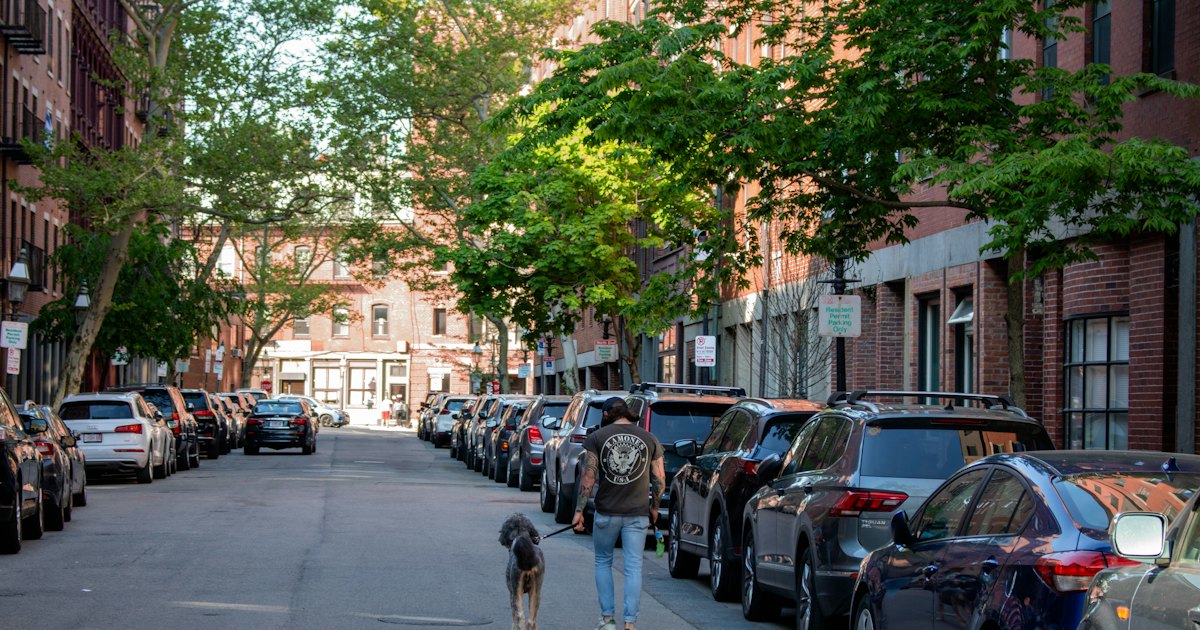
Most dogs follow their owners everywhere because dogs are pack animals, and you are their pack. Herding and working breeds fall into this “Velcro dog” habit the most. Reinforcement, puppy imprinting, insecurity, and sometimes an undiagnosed health problem can cause the same shadowing.
On this page
In practice, this clinginess rarely has one single cause. A dog that trails you to the kitchen, hallway, and bathroom is usually showing you where it feels safest. That isn't misbehavior. The pattern matters more than any single moment. Does your dog relax once you're in the same room, or hunt the house the moment you step away?
Dog Translator
What if you answered
in his own language?
Dog Translator turns what you say into barks and meows on your iPhone.
Dog & Cat Translator Pro
5.03+ ratingsFree


The 30-Second Test
Run this quick check before you read the methods below.
- Settles once you're in the same room: likely a Velcro-dog preference, not anxiety.
- Panics, barks, or paces the moment you leave: closer to separation anxiety — see the comparison section below.
- Started suddenly in an older dog: rule out vision or hearing loss with a vet visit first.
- Only happens with one person in a multi-person home: normal attachment to whoever handles food and walks most often.
None of these on their own are a diagnosis. They just point you toward the right method.
Method 1: Rule Out Pain, Illness, or Sensory Loss First
Check this first, especially if a once-independent dog suddenly turns clingy.
AKC's chief veterinary officer points out that sudden clinginess can signal pain, vision loss, or hearing loss.
A vet visit is the right first move, before you try any training method below.
Method 2: Recognize Breed Instinct and Early Imprinting
Some dogs are simply built for this.
AKC explains that dogs in the Working and Herding Groups are often bred to work side-by-side with people.
Sticking close is instinct for these breeds, not a flaw to train away.
Puppies add another layer.
According to AKC, puppies between birth and 6 months can imprint on their owner much like a mother dog.
That's why a young puppy who trails you from room to room is just being normal.
Method 3: Check Whether You're Rewarding the Behavior
Think about what happens right after your dog follows you.
According to AKC, dogs who get treats or affection every time they're close learn that following pays off.
If that's the pattern in your house, you're not imagining it — you trained it, even by accident.
You don't have to stop rewarding your dog. Just notice when the reward reinforces dependence instead of good behavior.
Dog Translator
Still reading the signs?
Next time your dog vocalises, open Dog Translator and tap a reply. Free on iPhone, iOS 16 or newer.
Dog & Cat Translator Pro
5.03+ ratingsFree
Method 4: Build Confidence With Short, Easy Separations
Most dogs can learn to be okay alone in the same house, a few minutes at a time.
- Teach a solid “stay” or “place” command, and reward your dog for holding it while you step into another room.
- Leave a toy or chew near your dog's bed so there's a reason to settle without you right there.
- Ask another household member to handle a walk or feeding sometimes, so your dog isn't fixated on only you.
- Build the time apart up slowly — seconds first, then longer — and stop before your dog gets anxious.
Watch your dog's body language during these practice separations. A relaxed dog stretches and settles, while stressed dog body language looks tense, panting, or frozen in place. If you see the second pattern, shorten the separation and build back up more slowly.
Method 5: Keep Your Dog's Body and Brain Busy
According to AKC, a bored, under-exercised dog is more likely to stay glued to your side.
A daily walk and a bit of mental work often take the edge off that restlessness.
Velcro Dog or Separation Anxiety? Here's the Difference
Not all clinginess is the same, and the difference matters for how you respond.
AKC draws a clear line: a Velcro dog prefers closeness, but true separation anxiety brings real panic when you leave.
The table below breaks down the differences you'll notice day to day.
| Signal | Velcro Dog | Separation Anxiety |
|---|---|---|
| When you're home | Follows room to room, settles nearby | Follows room to room, stays tense |
| When you leave | Waits near the door, then calms down | Barks, howls, paces, or chews things |
| Underlying feeling | Prefers your company | True panic and distress |
| Usually helped by | Short, gradual practice separations | Training plus, often, a vet or behaviorist |
If you're unsure which column fits your dog, spend a few days reading the signals instead of guessing. Our guide on how to read dog body language covers the tail, ears, and eyes in detail.
Where Dog Translator Fits In
None of this is about replacing bonding time with an app.
But boredom is often part of the picture, and a little extra play can help.
Dog & Cat Translator Pro is a free iPhone app for exactly that kind of play.
Speak a phrase, or tap a ready-made sound, and it plays back a dog- or cat-like bark or growl.
It's a toy for back-and-forth play, not a tool that decodes your dog's real barks or treats anxiety.
It's free to download on iOS 16 or newer, and the subscription that unlocks full features is $9.99 a year.
Dog Translator
One more thing to try tonight
Read the signal, then answer it. Dog Translator plays a bark or meow back when you speak or tap — free on iPhone, iOS 16 or newer.
Dog & Cat Translator Pro
5.03+ ratingsFree
If your dog enjoys the back-and-forth, it's a way to give attention from across the room, not just up close.
Frequently Asked Questions
Why does my dog follow me to the bathroom?
Dogs follow you into the bathroom for the same reason they follow you everywhere else: it's where their person is. Closed doors don't mean much to a dog who treats you as home base. This is usually more of the same closeness-seeking behavior, not curiosity about the room itself.
Why does my puppy follow me everywhere?
According to AKC, puppies between birth and 6 months can imprint on their owner much like a mother dog.
That imprinting phase is one big reason a young puppy seems to want to be touching you at all times.
It usually settles down as the puppy matures and builds confidence on its own.
Why do my dogs follow me everywhere?
In a multi-dog household, each dog usually bonds most with one main person — often whoever feeds and walks them.
Seeing both dogs follow you at once just means that person is currently you, not that the behavior is unusual.
Why does my dog lay on me or sit on me?
Lying or sitting on you is a closeness behavior, similar to following, but it adds warmth and physical contact.
Dogs that do this are usually after comfort, body heat, or just easy contact.
It's rarely a problem unless it starts to feel compulsive or your dog gets upset when you ask for space.
Why does my dog nibble on me?
Gentle nibbling or mouthing is usually affectionate grooming behavior, not aggression.
Many dogs use their mouth the way they'd use a paw, to get attention or settle in close.
If the nibbling turns hard or happens only during excitement, it's worth redirecting to a chew toy instead.
What's the difference between a Velcro dog and separation anxiety?
A Velcro dog prefers to be close to you but stays calm when left alone for a while.
A dog with true separation anxiety panics instead, with barking, pacing, or damage to the home when you leave.
That version usually needs more structured help from a trainer or veterinary behaviorist.