Why Do Dogs Get the Zoomies?
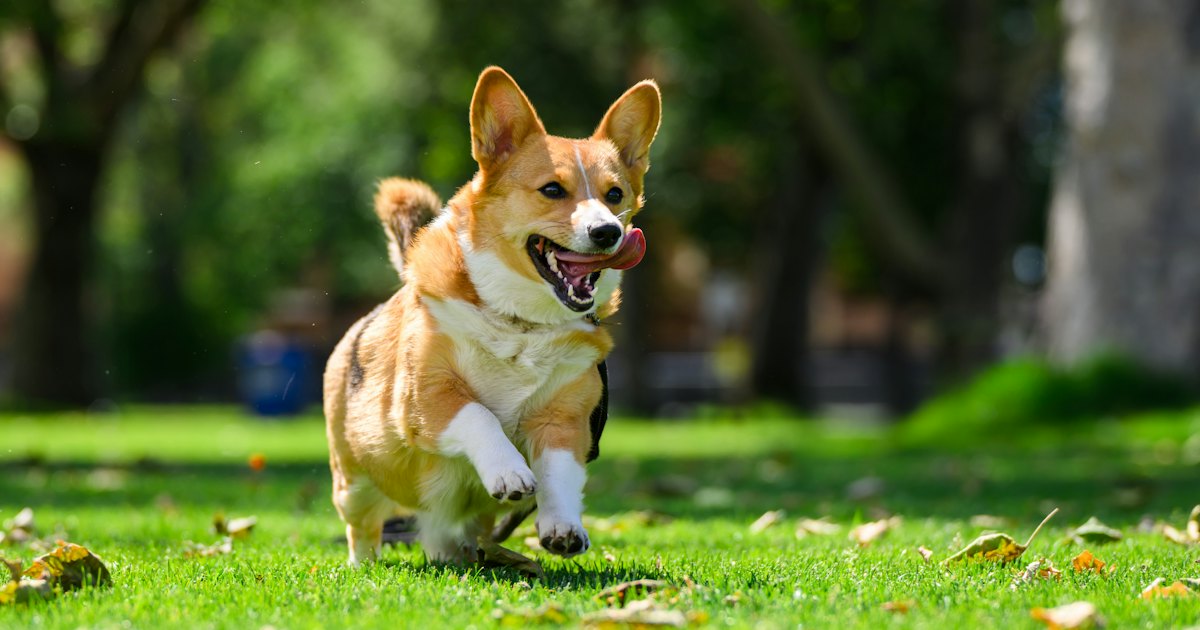
Dogs get the zoomies — officially called Frenetic Random Activity Periods, or FRAPs — when pent-up energy, excitement, or stress needs somewhere to go fast. The dash often follows a nap, a bath, or a sudden rush of joy. It typically winds down on its own after a short burst, usually with no lasting effects.
On this page
The first zoomies episode usually catches an owner off guard. A calm dog can go from lying still to full sprint laps around the room in seconds. It looks like something might be wrong, especially with growling or barking mixed in. In most cases it isn't — the burst is play, not distress, and it fades as fast as it started.
Dog Translator
What if you answered
in his own language?
Dog Translator turns what you say into barks and meows on your iPhone.
Dog & Cat Translator Pro
5.03+ ratingsFree


What Causes Zoomies in a Dog?
Vets don't fully agree on the exact trigger. The leading explanation, from PetMD, is simple: zoomies are the fastest way for a dog to release pent-up energy, excitement, or nervous tension.
- Age: puppies are still growing and changing fast, which leaves them with extra energy to burn. Plenty of adult dogs keep doing it too.
- Excitement: spotting the leash, or you walking back in the door, can flip a dog straight into a FRAP.
- Play: an intense game of fetch or tug can tip straight into a zoomies lap before it winds down.
- The evening dash: zoomies tend to cluster in the hour before bedtime, when mealtime, homecomings, and pre-sleep play line up.
- After a bath: the odd feeling of wet fur and a new scent often sends a dog straight into the zoom zone.
Not every zoomies lap is pure fun, though. Some bursts start right as you pull out the nail clippers or the vacuum. Read a trigger like that as a stress reaction, not joy — check your dog's stressed body language for the full picture.
Zoomies or Something Else?
Run this quick check before you decide whether to laugh, join in, or step in.
- Loose body, bouncy stride, tail up and wagging: a textbook zoomies lap.
- Tight circles with a hunched back or a frozen stare: more likely stress, not play.
- Stumbling, dragging a leg, or collapsing mid-run: stop the game and call your vet.
- Growling or snapping mixed into the sprint: check why your dog is growling before assuming it's play.
Most zoomies pass the first test. If you're still unsure after watching one full lap, treat it as a vet question instead of a guessing game.
Common Zoomies Triggers at a Glance
Here's the same list side by side, with the instinct each trigger taps into.
| Trigger | What's happening | When it shows up |
|---|---|---|
| Growth spurt | Extra energy from rapid development | Mostly puppies, but not only puppies |
| Big excitement | Arousal from the leash, the door, or a reunion | Right before or right after you appear |
| Active play | Leftover joy from fetch or tug | Mid-play or right after a game ends |
| Evening dash | Mealtime, homecomings, and pre-sleep play overlapping | The hour before bedtime |
| After a bath | Wet fur and an unfamiliar scent | Minutes after you towel them off |
Dog Translator
Still reading the signs?
Next time your dog vocalises, open Dog Translator and tap a reply. Free on iPhone, iOS 16 or newer.
Dog & Cat Translator Pro
5.03+ ratingsFree
Fix 1: Burn Off the Energy Before It Turns Into a Sprint
Prevention beats a mid-zoomies scramble. A dog that gets a real outlet for its energy earlier in the day has less left over for an indoor sprint later.
- A proper walk or run before the high-risk hours: right after waking, before dinner, or right when you get home.
- A hard, short play session — tug, fetch, or a flirt pole — instead of a slow stroll.
- A food puzzle or a sniff-heavy walk on days the weather keeps outdoor play short.
This won't stop every zoomies lap. It just cuts how often the sprint lands in a room full of furniture and breakables.
Fix 2: Ride Out an Episode Safely While It's Happening
Once the sprint starts, your job shifts from prevention to damage control. A few small moves keep the laps safe for your dog, your furniture, and anyone standing nearby.
- Clear a lap, not a maze: move breakables and small furniture out of the main path before the zoomies peak.
- Move the game outside or into a fenced yard if your floors are slick — hardwood and tile turn fast turns into slide-outs.
- Keep young kids and older adults out of the sprint lane until the burst runs its course.
- Skip the chase. Jumping in to chase a sprinting dog usually looks like an invitation to keep playing, not a cue to stop.
The same handful of moves covers most episodes. Keep the space open, keep the footing safe, and let the dog run it out instead of grabbing for a collar mid-sprint.
Fix 3: Turn the Wind-Down Into Interactive Play
Some owners want a lower-key way to stay engaged once the sprint winds down, without jumping straight into another round of fetch.
Dog Translator — on the App Store as Dog & Cat Translator Pro — turns that moment into a different kind of back-and-forth. Speak a phrase or tap a response on your iPhone, and the app plays back a bark or growl reply, tailored by breed.
It's free to download, and the key features sit behind a $9.99-a-year subscription, on iOS 16 or newer.
That's a different job than reading your dog's actual zoomies. Treat it as a wind-down game for the two of you, not a translation tool for what the sprint itself means.
Dog Translator
One more thing to try tonight
Read the signal, then answer it. Dog Translator plays a bark or meow back when you speak or tap — free on iPhone, iOS 16 or newer.
Dog & Cat Translator Pro
5.03+ ratingsFree
Fix 4: Know When It's Not Just Zoomies
Most zoomies are harmless, but a few signs are worth treating as more than a funny video.
- An episode that looks identical every time, with a stiff body or a glazed stare, is worth a vet visit instead of a shrug.
- Limping, yelping, or favoring a leg after the sprint ends — get it checked before the next zoomies lap.
- A dog that seems disoriented, wobbly, or slow to recover once the burst is over.
- Zoomies that show up for the first time in a senior dog, with no clear trigger at all.
None of this is common. Most zoomies start fast, run their course, and end with a dog flopped on the floor looking pleased with itself.
Frequently Asked Questions
Why do dogs get zoomies?
Dogs get zoomies because running fast is often the quickest way to release energy, excitement, or stress. The behavior isn't exclusive to puppies. Adult and senior dogs get zoomies too, especially after a bath, after a nap, or during the evening wind-down hour.
What causes zoomies in a dog?
Zoomies are caused by a sudden release of pent-up energy, excitement, or nervous tension that a dog needs to burn off fast. Growth spurts, the leash coming out, hard play sessions, bath time, and the pre-bedtime hour are the most common triggers. The exact mechanism isn't fully mapped, but the pattern — energy in, sprint out — holds across ages and breeds.
What are zoomies?
Zoomies are short, intense bursts of running, spinning, and bouncing that dogs do with no obvious outside cause. The clinical name is Frenetic Random Activity Periods, or FRAPs. They usually end in a play bow or a floor flop, and count as normal dog behavior.
Why do dogs get the zoomies after a bath?
Bath-time zoomies are a reaction to the odd feeling of wet fur and an unfamiliar scent. Many dogs sprint right after a bath to dry off and rub their usual smell back into their coat. It's one of the most common and predictable zoomies triggers.
How long do dog zoomies usually last?
Zoomies episodes are short by nature — a quick sprint that winds down on its own rather than dragging on. A play bow or a floor flop is the usual sign the burst is finished. If a sprint keeps going well past that, or never seems to end, treat it as unusual rather than a typical zoomies lap.
Should I try to stop my dog's zoomies?
In most cases, no — let a normal zoomies lap run its course in a safe space. Interrupting mid-sprint can startle a dog or cause a collision, so the safer move is to clear the path and wait it out. Step in only if the space isn't safe, or if the episode stops looking like play and starts looking like distress.