Why Is My Dog Howling in Its Sleep?
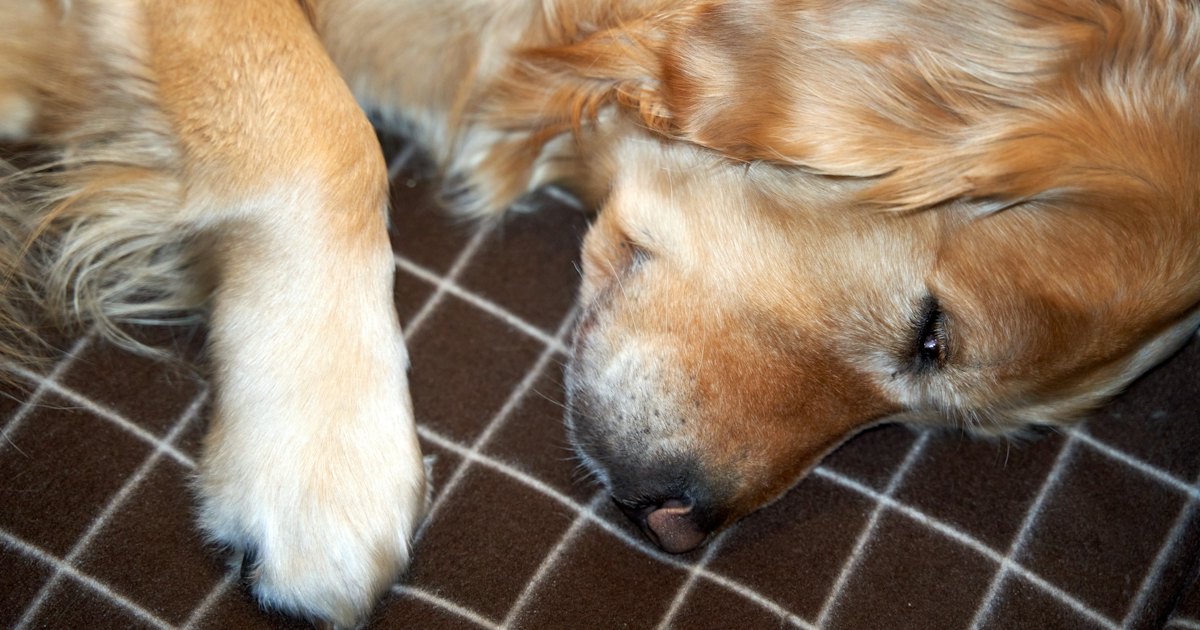
Dogs that howl softly in their sleep are usually dreaming, not hurting. A muffled howl with twitching paws or paddling legs is one of the clearest signs of a dream. Watch instead for a stiff, rigid body, a howl that will not stop, or a dog that stays confused after waking. That different pattern is worth a vet visit.
On this page
A muffled howl from the dog bed beside you can be unsettling at 2 a.m. Most of the time, it is nothing more than a vivid dream. It is the same twitchy, half-vocal sleep talking you would expect from any animal that dreams. The hard part is telling a harmless dream howl apart from something that needs attention. That is especially true when you are groggy and the room is dark.
Dog Translator
What if you answered
in his own language?
Dog Translator turns what you say into barks and meows on your iPhone.

Dog & Cat Translator Pro
5.03+ ratingsFree


The 30-second test
Run this quick check before anything else. It separates a harmless dream from a howl that needs a closer look.
- Loose, twitchy paws with a soft, closed-mouth howl: likely a dream.
- A rigid body, or a howl that won't stop at your voice: treat it as a possible seizure.
- Groggy or slow to recognize you for a minute after waking: worth watching closely.
- Alert and normal the moment they wake up: nothing to worry about.
If your dog lands in that second group, see Step 3 below.
Step 1: Watch the body, not just the sound
The sound alone will not tell you much. What the body is doing at the same time matters more.
A dreaming dog usually shows loose, twitchy paws, flickering eyelids, and a relaxed jaw. Many of the same relaxed body signals show up while a dog is simply resting, not sleeping deeply. The legs often paddle, as if your dog is running somewhere in the dream. None of the stiffness you would see from real pain shows up here.
This pattern tends to show up during deeper sleep. That is when a dog's brain stays active enough to replay the day. Think chasing a squirrel, barking at the mail carrier, or reacting to a sound from hours earlier. The howl is a side effect of that replay. It is not a cry for help.
Step 2: Time the howl and watch how it ends
Most dream howls last only a few seconds and stop on their own. Time it if you can, even roughly. A short burst that fades out is very different from one that keeps building.
Pay attention to how it ends, too. A dog that wakes up normally, stretches, and drifts back to sleep just had a dream. A dog that stays wobbly or glassy-eyed for a minute afterward needs a closer look. That lingering grogginess is one of the clearer warning signs.
Dog Translator
Still reading the signs?
Next time your dog vocalises, open Dog Translator and tap a reply. Free on iPhone, iOS 16 or newer.
Dog & Cat Translator Pro
5.03+ ratingsFree
Step 3: Tell a dream apart from a seizure
A seizure can look similar at first glance, which is why this step matters most. Look for stiff, rigid limbs instead of loose twitching. Watch for a howl that does not change in pitch. Also watch for loss of bladder control, or a dog that stays unresponsive even after you touch them.
If you see any of those signs, resist the urge to shake your dog awake. Stay close, time how long it lasts, and call your vet once it passes. Dogs that growl or snap while half-asleep during a dream are usually startled, not aggressive. Our guide on why dogs growl breaks down that difference. It is worth reading before you reach in and risk a reflexive bite.
| Sign | Normal dream howling | Possible medical concern |
|---|---|---|
| Body | Loose, twitchy paws and legs | Stiff, rigid limbs that do not relax |
| Sound | Soft, muffled, changes in pitch | Flat, repetitive howl that does not vary |
| Duration | A few seconds, stops on its own | Keeps building or does not stop |
| Waking up | Alert within seconds | Confused or glassy-eyed for a minute or more |
| Bladder control | Normal | Loss of bladder control |
Step 4: Decide whether to call the vet
Most dogs that howl in their sleep need nothing more than a quiet room and an undisturbed bed. Call your vet if the howling comes with confusion after waking. The same goes for howling that happens in clusters across several nights, or the rigid-body pattern from Step 3.
None of this is something an app can diagnose, and that includes ours. The free Dog & Cat Translator Pro app lets you speak a phrase like "are you hungry?" into your iPhone. It plays the phrase back as a bark, growl, or whimper. It is built for playful, real-time interaction while your dog is awake and in the room. It is not built for reading what happens while your dog sleeps. If a sleep howl worries you, call a vet, not a translation app.
Frequently Asked Questions
Is it normal for dogs to howl in their sleep?
Yes, it is normal in most cases. Dogs move through lighter and deeper stages of sleep. The deeper stage is when the brain stays active enough to replay the day as a dream. A soft howl with twitching paws or flickering eyelids is usually just part of that dream. It is not pain, and you do not need to interrupt it.
Should I wake my dog up if it's howling in its sleep?
No, you generally should not wake a dog that is simply dream-howling. Waking a dog mid-dream can startle it into snapping before it is fully alert. Let a normal dream howl run its course. Step in only if the body looks rigid, the howl will not stop, or your dog seems disoriented once it is actually awake.
Can dogs have nightmares that make them howl?
It is possible, though there is no way to know exactly what a dog is dreaming about. Dogs show the same brain patterns during sleep that are linked to dreaming in other mammals. A sudden, more frantic-sounding howl during sleep may simply reflect a more intense dream. The behavior itself, twitching paws, a muffled sound, and a normal wake-up, looks the same as any other dream howl.
What's the difference between dream howling and a seizure?
The clearest difference is the body. Dream howling comes with loose, twitchy paws and a relaxed jaw. Your dog also wakes up normally within seconds. A seizure usually brings stiff, rigid limbs and a howl that does not vary in pitch. Your dog may also stay confused or unresponsive for a minute or more after waking. When in doubt, time the episode and call your vet.
Why is my dog howling in his sleep more often lately?
More frequent sleep-howling by itself is usually not urgent. It can follow a stressful week, a change in routine, or simply more vivid dreaming. If the pattern keeps climbing, or starts pairing with the rigid-body signs described above, that combination is what should prompt a vet visit, not the frequency alone.