What Is My Dog Saying to Me? How to Read the Signs
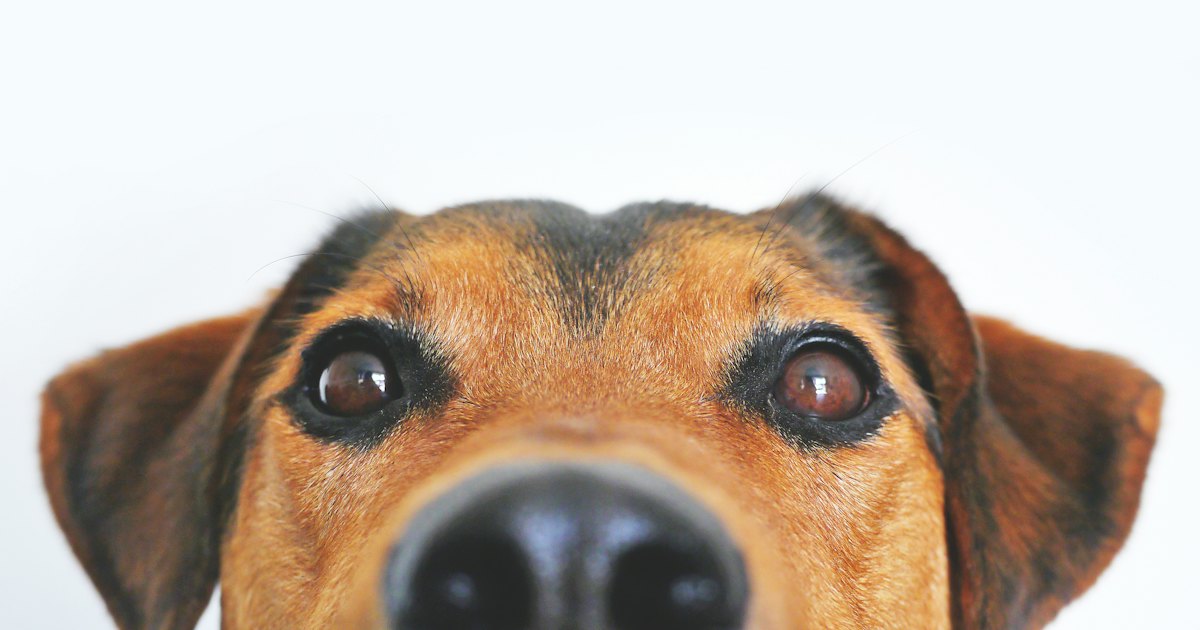
Your dog is telling you how it feels through its whole body, not just its bark. Watch the tail, ears, eyes, and posture together, then match that to what's happening around your dog. A loose, wiggly body usually means comfortable. A stiff, frozen one usually means stressed or unsure.
On this page
Most of what dogs communicate happens below the bark. A wagging tail alone tells you very little. A fast, low wag can mean nervous excitement. A loose, sweeping wag at tail height usually means relaxed and friendly. The trick is never reading one signal by itself. Look at the whole dog, and the situation, before you decide what it means.
Dog Translator
What if you answered
in his own language?
Dog Translator turns what you say into barks and meows on your iPhone.
Dog & Cat Translator Pro
5.03+ ratingsFree


The 30-Second Test
Short on time? Run this quick check before the full breakdown below.
- Loose, wiggly body, soft eyes: your dog is comfortable.
- Stiff, frozen posture, hard stare: your dog is tense or guarding something.
- Tail tucked, body low, ears pinned back: your dog is scared or unsure.
- Tall stance, leaning forward, fast stiff wag: your dog is alert or aroused.
For the long version of this check — five areas, in order — see our full guide on how to read dog body language.
Method 1: Check the Tail — Height, Speed, and Stiffness
The tail is the easiest place to start, but it isn't the whole story.
A tail held high and moving fast usually signals excitement or alertness.
A tail held low, tucked between the legs, usually signals fear or submission.
A stiff, slow wag held high can signal tension, not friendliness — that one trips up a lot of owners.
Docked or naturally curled tails — pugs, corgis, some terriers — are harder to read this way.
Lean on the ears and eyes for those breeds, and check our tail guide for more positions and speeds.
Method 2: Read the Ears and Eyes Together
Ears pointed forward and eyes soft, with a relaxed blink, usually mean your dog feels fine.
Ears pinned flat back against the head usually mean fear, stress, or submission.
Watch the eyes for a "whale eye" — the whites showing in a crescent along the edge.
That's a stress signal, often right before a dog moves away or snaps.
Floppy-eared breeds like beagles and basset hounds hide this signal more than prick-eared breeds like German shepherds, so check the eyes first on them.
Dog Translator
Still reading the signs?
Next time your dog vocalises, open Dog Translator and tap a reply. Free on iPhone, iOS 16 or newer.
Dog & Cat Translator Pro
5.03+ ratingsFree
Method 3: Listen to the Bark's Pitch and Pattern
Volume tells you less than pitch and rhythm.
A few short, sharp barks usually mean alert — something changed, and your dog wants you to notice.
A string of high, repeated barks often means excitement or distress, and the two can look alike from across the room.
A low, steady growl is a warning, not background noise.
It means give space, not "bad dog."
A separate guide on growling digs into what different growl types usually mean, if a low growl is new for your dog.
Method 4: Match the Signal to What Just Happened
The same wagging tail means something different at the door than it does at the vet.
Context is half the translation.
Before you decide what a signal means, ask what changed in the last ten seconds — a knock, a dropped leash, another dog arriving.
A dog that goes stiff right after a stranger leans in is reacting to the lean, not making a random threat.
Method 5: Try Two-Way Tools — Talking Buttons and Playback Apps
Reading body language only goes one direction.
Some owners teach their dog to press recordable buttons for words like "outside" or "hungry" — real two-way communication, built one word at a time.
We cover how that training works in a separate guide on teaching a dog to use talking buttons.
A different kind of app does the reverse: you talk, and it answers back in dog sounds for fun.
Dog & Cat Translator Pro, our own iOS app, works that way.
It's free to download on iPhone running iOS 16 or newer, and a $9.99-a-year subscription unlocks the core features.
Open the app and pick your dog's breed for a tailored sound profile.
Then speak a phrase — "Are you hungry?" works well — into the microphone.
It plays back a matching bark, whimper, or growl.
It's built for play and bonding, not decoding — the app doesn't listen to your dog's real bark and tell you what it means.
If you want that, go back to Methods 1 through 4 above.
Dog Translator
One more thing to try tonight
Read the signal, then answer it. Dog Translator plays a bark or meow back when you speak or tap — free on iPhone, iOS 16 or newer.
Dog & Cat Translator Pro
5.03+ ratingsFree
Dog Signals at a Glance
Here's the short version of everything above, side by side.
| Signal | What to check | Usually means |
|---|---|---|
| Tail | Height, speed, stiffness | High and fast: excited or alert. Low and tucked: scared. |
| Ears | Forward vs. pinned back | Forward: interested. Pinned back: scared or submissive. |
| Eyes | Soft blink vs. whale eye | Soft: calm. Whale eye (whites showing): stressed. |
| Bark | Pitch and pattern | Short and sharp: alert. High and repeated: excited or distressed. |
| Whole body | Loose vs. stiff | Loose: comfortable. Stiff and frozen: tense, give space. |
The American Kennel Club makes the same point trainers make in shelters and kennels: look at the whole dog and the whole situation before you decide what a signal means.
Frequently Asked Questions
How Do I Know What My Dog Is Saying?
You read the tail, ears, eyes, and whole-body posture together, then match that to the situation your dog is in. No single signal — not even the bark — tells you the full story on its own. Start with the 30-second test above, then slow down with Methods 1 through 4 for anything confusing.
Is There a Translator App for What My Dog Is Saying?
Not one that reliably decodes a real bark into words. Apps like Dog & Cat Translator Pro work the other direction: you speak, and the app plays back realistic dog sounds for fun, not a true translation of your dog's bark.
What Does It Mean When My Dog Stares at Me?
A soft, relaxed stare with a loose body is usually affection or attention-seeking. A hard, fixed stare with a stiff body and no blinking is closer to a warning. Check the rest of the body — ears, tail, posture — before you decide which one you're looking at.
Can My Dog Understand the Words I Say?
Dogs learn to connect specific words with outcomes — "walk" with a leash, "dinner" with a bowl — through repetition, not grammar. They're reading your tone, timing, and body language alongside the word itself, which is why the same word in a flat voice can land differently than it does in an excited one.
Why Does My Dog Tilt Its Head When I Talk?
No one knows for certain. One common idea is that tilting the head helps a dog place where a sound is coming from, or get a clearer look past its own muzzle. Treat it as curiosity, not a message on its own.
Related Guides
Keep reading if you want to go deeper on any one signal: