Dog Tail Emotions: What Each Position and Wag Really Means
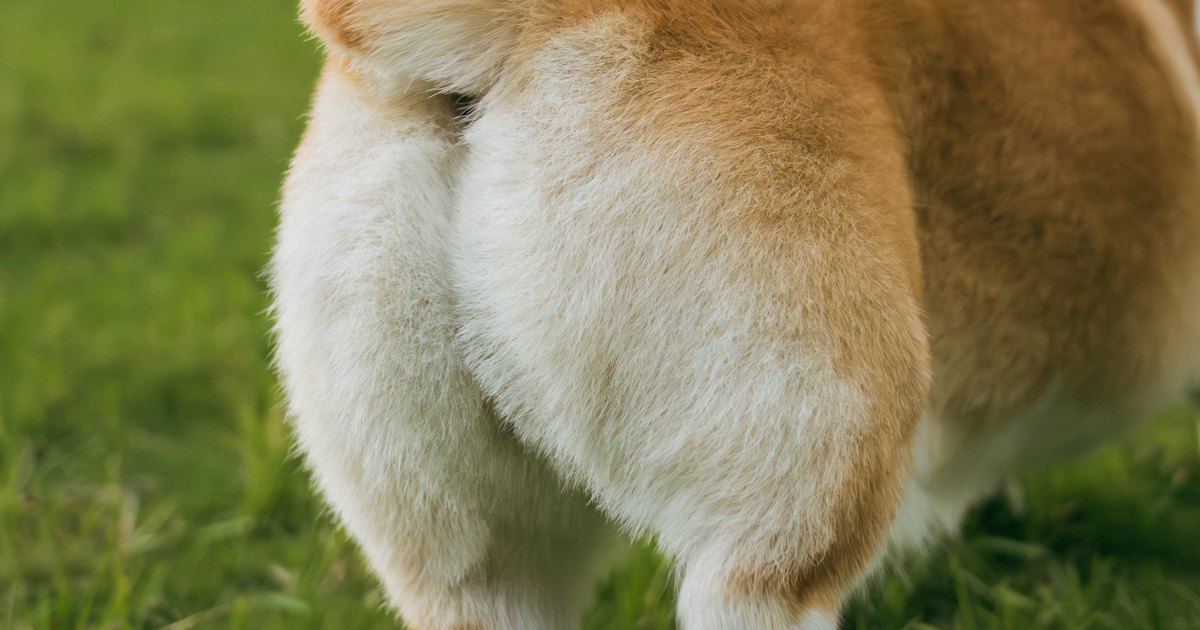
Dog tail emotions mostly come down to two signals: height and speed. Level or low with a loose, wide wag usually means a relaxed or happy dog. High and stiff, or wagging fast in short strokes, usually signals alertness, arousal, or stress. Always read the whole body, not the tail on its own.
On this page
Owners tend to notice the tail first, because it moves before anything else does. Fast, wide sweeps at nose height often read as plain joy, while slow sweeps low to the ground usually point to worry. The trouble starts when two signals look alike at a glance but mean opposite things underneath.
This guide sticks to the tail only. Want the full scan across tail, ears, eyes, mouth, and posture? See our guides to dog tail body language and how to read dog body language.
Dog Translator
What if you answered
in his own language?
Dog Translator turns what you say into barks and meows on your iPhone.
Dog & Cat Translator Pro
5.03+ ratingsFree


The 30-Second Tail Check
Short on time? Run this 4-point check before studying height or speed in more detail.
- Loose, wide wag at tail level: the dog is likely relaxed or happy.
- High, stiff tail with a fast, narrow wag: the dog is likely alert or aroused.
- Low or tucked tail, barely moving: the dog is likely anxious or scared.
- Slow wag paired with a stiff body: treat it as a warning, not friendliness.
Say the mood out loud, "loose" or "stiff," while you watch. Naming it helps you catch the next shift faster.
Reading the tail yourself takes a few seconds of attention, not software. No app can scan a tail and name the feeling behind it. Once you've read the mood, though, a lighter moment is fair game. Dog & Cat Translator Pro plays back bark and meow sounds when you talk or tap on your iPhone. It's free on iOS 16 or newer. The core sounds unlock with a $9.99-a-year subscription. It's a toy for a laugh, not a tail-reading tool.
Method 1: Check the Tail's Height First
Height is the fastest tail signal to read, and it usually carries the most weight.
At a relaxed, natural resting height, which varies by breed, the tail usually means a calm dog. Raise that height and stiffen the tail, and the dog is more likely alert, aroused, or guarding something. Drop it low or tuck it between the legs, and fear or stress becomes the more common read.
- High and rigid: alert, possibly about to react.
- Level and loose: calm and comfortable.
- Low or tucked: worried, submissive, or scared.
Breeds with naturally curled or docked tails, like Pugs, some terriers, and many Huskies, make height much harder to judge. For those dogs, lean on ear and eye position instead.
Method 2: Read the Wag's Speed and Width
Wagging does not automatically mean a happy dog. Speed and width change the meaning fast.
Fast, wide wags with loose hips usually mean real excitement or joy. Narrow, almost-vibrating wags on a high, stiff tail often signal tension or arousal instead, even at speed. Slow wags, especially with a low or stiff tail, can be a warning rather than a greeting.
The AKC's canine body language guide describes a similar split. Relaxed, friendly dogs tend to wag "in a fast, back-and-forth and extended manner." Fearful or unsure dogs are more likely to keep the tail "tucked between their hind legs," moving slowly if at all.
Method 3: Watch What the Rest of the Body Does
The tail never acts alone. Pair it with ear, eye, and posture cues before deciding what a dog feels.
High, loose tails paired with soft eyes and forward ears usually read as playful confidence. That same high tail, paired with a hard stare and stiff shoulders, reads as a warning instead. From there, the rest of the body confirms the signal or overturns it.
Method 4: Match the Tail Signal to the Setting
The same tail position can mean different things depending on where and when it happens.
At the front door, a high, stiff tail often means alert greeting energy, not aggression. That same tail at a dog park, pointed at another dog, can mean a guarding warning instead. During a vet visit, a low tail usually points to stress; during a slow belly rub, it can just mean total relaxation.
Watch the pattern, not just one moment. Low and tense across many different situations points to ongoing stress, not a single scare.
Once a few signals start matching real moments with your dog, the app side is extra fun, not a shortcut. Dog & Cat Translator Pro answers your voice or a tap with dog and cat sounds on iPhone running iOS 16 or newer. There is no Android version yet. Use it after you've read the tail, not instead of reading it.
Method 5: Know When Tail Reading Breaks Down
Tail reading fails in a few predictable situations. Learn them before you trust a single glance.
- Docked or naturally curled tails hide height and position cues almost completely.
- Very hairy, fluffy tails can hide a stiff base under loose-looking fur.
- One wag means little on its own; watch several seconds of behavior instead.
- Growling paired with any tail position is a clear stop signal, no matter what the tail is doing.
Across all 5 methods above, when the tail and the rest of the body disagree, trust the rest of the body first.
Here are the same 5 signals side by side, for a quick check.
| Tail Signal | Likely Emotion | Watch For |
|---|---|---|
| High, stiff, fast narrow wag | Alert or aroused | Hard stare, forward weight; give space |
| Level, loose, wide wag | Relaxed or happy | Soft eyes, loose hips; safe to approach |
| Low or tucked, barely moving | Anxious or scared | Pinned ears, lip licking; go slow |
| Slow wag with a stiff body | Warning, not friendliness | Stillness everywhere else on the body |
| High tail, relaxed base, bouncy wag | Playful confidence | Play bow, loose, bouncy steps |
Frequently Asked Questions
How can you tell a dog's emotions from its tail?
Check the tail's height and the wag's speed together, not one signal alone. Level, loose, wide wags usually mean a relaxed or happy dog. High, stiff tails with a fast, narrow wag usually mean alertness or tension. Add ear and eye position to confirm the read before you act on it.
What does a sad dog's tail look like?
A dog that feels low usually drops the tail or tucks it between the legs, often moving slowly if at all. The head and ears tend to drop too, and the dog may avoid eye contact. One quiet moment is not a pattern; watch for this across a full day before assuming your dog is sad.
Can a dog's tail show anger?
Stiff and high, paired with a slow or narrow wag, usually points to guarding or frustration rather than anger in the human sense. Pair it with a hard stare, raised hackles, or a closed mouth, and the signal reads as a clear warning. Give the dog space rather than approaching to test it.
Do dogs actually have feelings, or is tail wagging just reflex?
Most tail movement reflects a genuine emotional state, not a fixed reflex. That's why height and speed shift with context instead of staying constant. Dogs cannot describe feelings in words, so body language, including the tail, is the closest read an owner gets.
What does it mean when a dog's tail is tucked between its legs?
Tucking almost always points to fear, stress, or submission rather than cold or discomfort alone. It often pairs with pinned ears, a lowered head, and a hunched posture. If the tuck shows up only in one specific place, like a vet office, the trigger is usually that location, not a lasting problem.