How Does My Dog Know I Love Him?
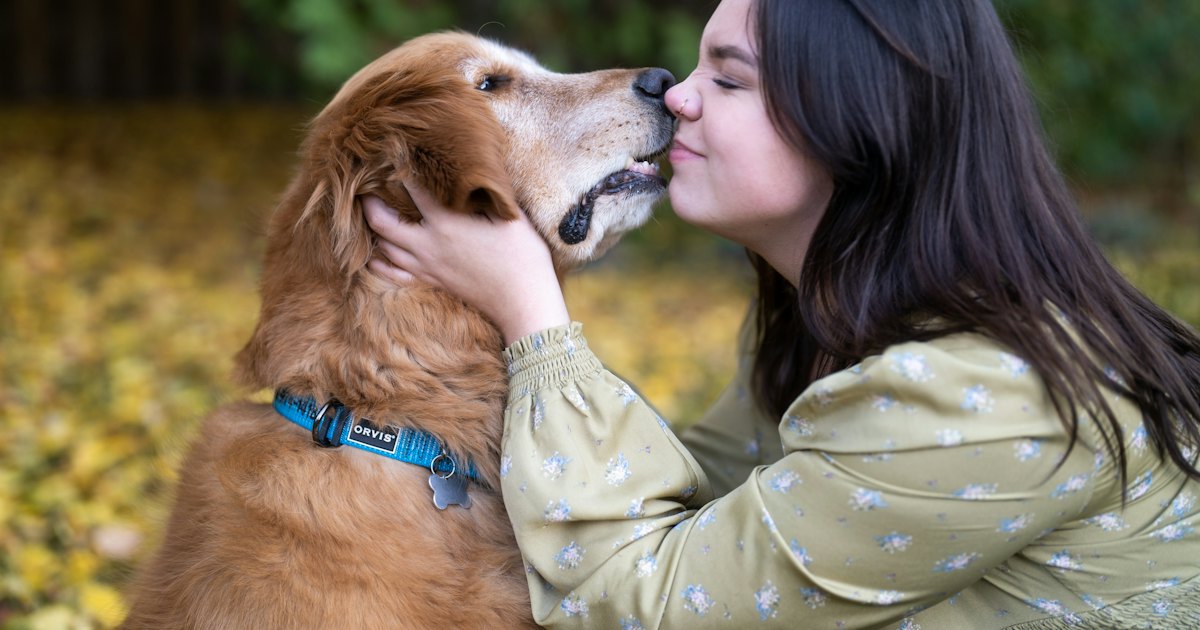
Dogs sense your love through consistent signals, not words. They read your tone of voice, your posture, and steady eye contact. They also recognize your scent and your daily routine. A reliable routine — feeding, walks, calm touch — tells a dog you are safe to be close to. That feeling of safety is what love looks like to a dog.
On this page
Owners usually notice this the moment they walk through the door. The dog is already reading your tone of voice and the speed of your steps before you say a word. None of that proves a dog understands the word love. It does show a dog paying close, constant attention to you. That attention is the real evidence owners are looking for.
Dog Translator
What if you answered
in his own language?
Dog Translator turns what you say into barks and meows on your iPhone.
Dog & Cat Translator Pro
5.03+ ratingsFree


How Dogs Read Human Body Language
Dogs track three things at once: your voice, your posture, and your face. A rising, singsong pitch usually reads as friendly, even if the words themselves mean nothing to the dog. A flat, sharp tone reads as a warning, no matter how kind the sentence is. Posture matters just as much. Leaning down and turning slightly to the side feels safer to a dog than standing tall and facing it head-on.
Eye contact plays a similar role. A soft, relaxed look held for a second or two reads as calm. A hard, unblinking stare reads as a challenge, which is one reason looking away first can calm a tense moment. For a deeper walkthrough of these cues, see our guide to how to read dog body language.
Four quick signals usually line up when a dog feels safe with you:
- Loose, wiggly body with a mid-height wag
- Soft eyes that blink and glance away, not stare
- Ears held in a relaxed, neutral position
- Leaning toward you instead of away
Scent and memory work alongside body language. A dog recognizes your particular smell long before it reads your face. That's part of why a returning owner gets a different reaction than a stranger standing the same way. None of this requires the dog to understand affection the way people do. It only requires the dog to notice that you, specifically, are safe.
Method 1: Hold Eye Contact the Right Way
Give your dog two or three seconds of soft, relaxed eye contact when you first see each other. Then look away before it turns into a stare. Repeat it during a calm moment, like after a meal or on the couch in the evening. A relaxed blink back from the dog is a good sign. A frozen stare or a turned head is not — that dog needs more space, not more eye contact.
When it won't work: herding breeds, or any dog that has learned to treat a stare as a threat, may tense up instead. Watch the whole body, not just the eyes, before you repeat this.
Method 2: Match Your Tone, Not Just Your Words
Say your dog's name and a simple word like “good” in a warm, slightly higher pitch. Dogs respond to pitch and rhythm more than vocabulary. A flat “good dog” lands differently than a warm one, even though the words are identical. Keep sentences short — a dog is listening to the music of your voice, not parsing grammar.
When it won't work: a high, excited pitch can overstimulate an anxious dog instead of reassuring it. For a dog that startles easily, a low, slow, even tone usually calms things down faster than an upbeat one.
Dog Translator
Still reading the signs?
Next time your dog vocalises, open Dog Translator and tap a reply. Free on iPhone, iOS 16 or newer.
Dog & Cat Translator Pro
5.03+ ratingsFree
Signals Your Dog Reads From You, At a Glance
A wagging tail or a relaxed body posture confirms the same message your voice and eyes are sending. See our guide to happy dog body language for the full picture. The table below lines up the most common signals side by side.
| Signal | What It Means | How You Can Respond |
|---|---|---|
| Soft, relaxed eye contact | Calm, feels safe near you | Hold 2–3 seconds, then look away |
| Hard, unblinking stare | Warning or challenge | Look away first, give space |
| Warm, higher-pitched voice | Friendly, welcoming | Use it for greetings and praise |
| Flat, sharp voice | Warning, even if the words are kind | Save it for real corrections only |
| Loose tail wagging at mid-height | Relaxed and open | Safe to approach and greet |
| Tucked tail, stiff body | Stressed or afraid | Back off, lower your voice |
Method 3: Keep Scent and Routine Predictable
Feed, walk, and settle your dog at roughly the same times each day. Avoid switching laundry detergent or wearing a lot of new, strong fragrance right before a greeting. A dog leans on smell and timing to decide whether a day feels normal. A normal day reads as a safe one.
When it won't work: routine alone will not fix fear or pain-driven behavior. A sudden change in how a dog reacts to your scent or your schedule is worth a vet visit. Don't assume it is just a mood.
Method 4: Give the Dog a Way to Answer Back
Reading your dog is one direction of this conversation. The other direction — getting a response back — is where Dog & Cat Translator Pro comes in. Speak into the app or tap a ready sound. It answers out loud in dog- or cat-like sounds, the way a toy answers rather than a device that reads real barks. It's built as a lighthearted way to go back and forth with your dog while you're right there. It's not a replacement for the signals in this guide.
Download it free on an iPhone running iOS 16 or newer. The interactive back-and-forth features come with the app's $9.99-a-year subscription. That's the same price shown on the App Store listing before you pay. It's an entertainment app, not a translator. The real love this guide covers still comes through tone, touch, and routine, not through a phone screen.
Frequently Asked Questions
Can a dog feel your emotions?
Yes, in a behavioral sense. Dogs read your voice, posture, and face closely enough to react to how you feel, even without understanding emotions the way people do. A dog that goes still and leans into you when you're upset isn't analyzing your mood. It's responding to real changes in your tone, breathing, and movement — close enough to feeling your emotions for most practical purposes.
Can my dog sense my emotions?
Most likely yes. The same physical cues any dog reads — tone of voice, tension in your body, and the pace of your movements — give it away. A dog can't label what you're feeling. But it notices the difference between a relaxed voice and a tight one, and it adjusts its own behavior around you accordingly. That's sensing, even without understanding.
Does my dog know when I'm sad or stressed?
Often, yes. Dogs tend to pick up on slower movement, a quieter voice, and less eye contact — all of which commonly show up when someone feels low. Some dogs respond by staying close or resting their head on you; others simply watch from a short distance. Either reaction usually means the dog has noticed something changed, even without naming the feeling.
Why does my dog stare at me?
A soft, relaxed stare usually means your dog is checking in or waiting for a cue. That's especially common around mealtimes or walks. A hard, frozen stare is different and often reads as tension rather than affection. If a stare turns into a stiff body or a low growl, that's a separate signal. See why your dog is growling.
Does my dog still know I love him when I'm not home?
A dog doesn't hold a continuous idea of love while you're out. But it does hold onto scent, routine, and memory of how you act when you return. Coming home at a predictable time, in a calm voice, rebuilds that sense of safety quickly. The signals in this guide matter most in the minutes right after you walk back in the door.