Why Do Dogs Bark in Their Sleep? What It Means
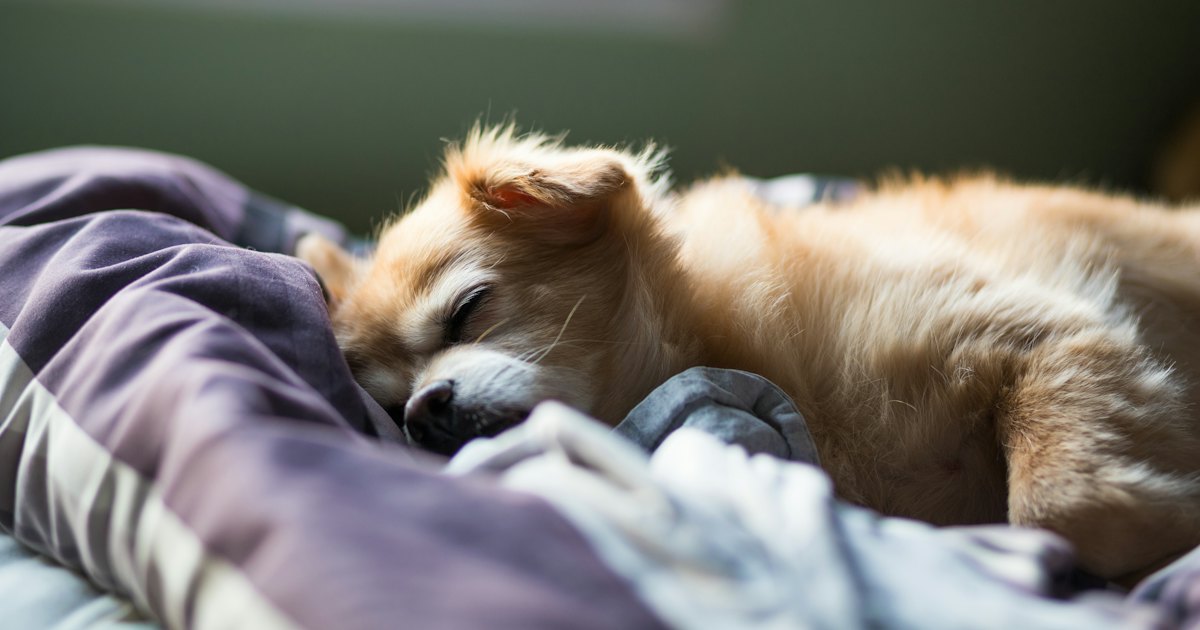
Dogs bark in their sleep mainly because they are dreaming. During the REM stage, the brain stays active while the body mostly shuts down, so a muscle twitch or a dream chase slips out as a muffled bark, whimper, or paddling paw. In most dogs, it is harmless and passes on its own within seconds.
On this page
Owners notice this most often the first time it happens. A sleeping dog's paws start to paddle and the eyelids flutter. At the same time, a small, muffled bark can slip out while the dog stays fast asleep. That combination almost always points to a dream, not a problem. The sound alone tells you far less than the rest of the body doing it.
Dog Translator
What if you answered
in his own language?
Dog Translator turns what you say into barks and meows on your iPhone.
Dog & Cat Translator Pro
5.03+ ratingsFree


The 30-Second Sleep-Bark Check
Most sleep barking is dreaming, not distress. Run this quick check before you worry about anything else.
- Loose body, twitching paws, soft or muffled sound: a dream.
- Settles again within a few seconds on its own: a dream.
- Softens or stirs gently when you say their name: a dream, not a seizure.
Pass all three and you can relax; your dog is probably chasing something good. Fail one, and the sections below walk through what to check next.
One thing worth saying upfront: none of this needs an app to read. If you want some playful back-and-forth once your dog is awake, try Dog & Cat Translator Pro. It's a free iPhone app that answers in dog- and cat-like sounds when you talk or tap. It needs iOS 16 or newer, and the full sound library sits behind a $9.99-a-year subscription. It is built for fun after the fact, not for figuring out what a sleep-bark meant.
Step 1: Watch the body, not just the bark
A dreaming dog usually stays loose. The paws paddle in a running motion, the whiskers twitch, and the breathing stays soft and a little irregular. The sound is actually the least useful clue here — the body tells you far more.
Watch the eyes too. During a dream you can sometimes see them moving under closed lids. Add loose, twitchy legs to that, and you have a classic dream — the barking is just the soundtrack.
Dogs use a fuller five-area scan while awake — tail, ears, eyes, mouth, and posture. Our guide on how to read dog body language covers each one in detail.
Step 2: Pay attention to how long it lasts
If the barking fades within a few seconds while your dog stays asleep, that almost always means a dream. If it keeps building instead of fading, treat it as worth a closer look — timing is one of the clearest clues you have, since a dream passes quickly and real distress tends to drag on.
Step 3: Rule out a seizure
A dream and a seizure can look alike for a second, but they behave very differently on four points: muscle tone, how long it lasts, whether your dog responds to your voice, and how they act once it's over. The table below walks through each one.
| Sign | Dreaming (normal) | Possible seizure |
|---|---|---|
| Muscles | Loose, relaxed, maybe paddling | Stiff, rigid, or jerking hard |
| Duration | A few seconds, then fades | Keeps going, doesn't stop on its own |
| Response to your voice | Softens, may settle or wake calmly | No reaction at all |
| After it ends | Wakes normally, acts completely normal | Stays confused or dazed for a while |
If an episode looks stiff, doesn't respond to your voice, or leaves your dog dazed afterward, call your vet. A short video on your phone beats any description you can give over the phone.
Reading a dog's body pays off while they're awake too. Our guide to dog body language when lying down covers many of the same posture cues you'll notice mid-dream. For the lighter side, Dog & Cat Translator Pro is there once your dog is up and alert. It doesn't decode real barks — it just answers back in dog- and cat-like sounds.
Step 4: Decide whether to step in
The old advice still holds: let sleeping dogs lie. Waking a dog mid-dream can startle them into a reflexive snap, even a normally gentle dog.
Step in only if the sounds turn into real, lasting distress. That means a long whimper or a thrash that doesn't settle on its own. Say their name softly from a short distance rather than touching them awake.
Growling during sleep follows a similar pattern — it's usually part of the dream, not aggression. If your dog growls while fully awake too, our guide on why dogs growl explains what each type usually means.
Dog Translator
Still reading the signs?
Next time your dog vocalises, open Dog Translator and tap a reply. Free on iPhone, iOS 16 or newer.
Dog & Cat Translator Pro
5.03+ ratingsFree
When to Call a Vet About Sleep Barking
Most sleep barking never needs a phone call. A handful of signs do.
- Episodes that happen several times a night, not just once.
- Barking paired with stiff, rigid limbs instead of loose twitching.
- A dog that seems dazed, confused, or unsteady after waking.
- Daytime stress signs alongside the sleep changes — see our guide on stressed dog body language for what those look like while your dog is awake.
None of these on their own is an emergency. Together, or repeated night after night, they're worth a vet visit.
Frequently Asked Questions
Is it normal for dogs to bark in their sleep?
Yes, sleep barking is normal and common. It happens during the dreaming stage of sleep, when the vocal cords twitch along with the paws and eyelids. Most dogs do it occasionally, and it's nothing to fix as long as the body stays loose and the sound fades within seconds.
Should I wake my dog up when they bark in their sleep?
No, in almost every case you should leave your dog asleep. Waking a dreaming dog can startle them and trigger a reflexive snap, even from a gentle dog. Step in only if the sounds turn into clear, lasting distress, and even then just say their name softly instead of touching them.
How can I tell a dream from a seizure?
A dream keeps the muscles loose and usually fades within seconds. A seizure makes the body stiff or jerky and keeps going longer without stopping on its own. During a dream, your dog may soften when you say their name; during a seizure there's no response at all, and your dog may seem dazed afterward. Film any episode you're unsure about and show your vet.
Why do puppies seem to bark in their sleep more than adult dogs?
Puppies sleep far more than adult dogs do, so they simply spend more total time in the dreaming stage of sleep. A noisy, twitchy sleeping puppy is normal and usually gets quieter as they get older. If it ever looks stiff or doesn't stop within seconds, treat it the same way you would in an adult dog and check with your vet.
Can a dog translator app tell me what a sleep bark means?
No, Dog & Cat Translator Pro doesn't decode real barks, including ones made during sleep. It plays simulated dog- and cat-like sounds back when you talk or tap, built for fun on iOS 16 and newer with a $9.99-a-year subscription for the full library. For sleep barking, your own eyes and the checks above are the real tool.